
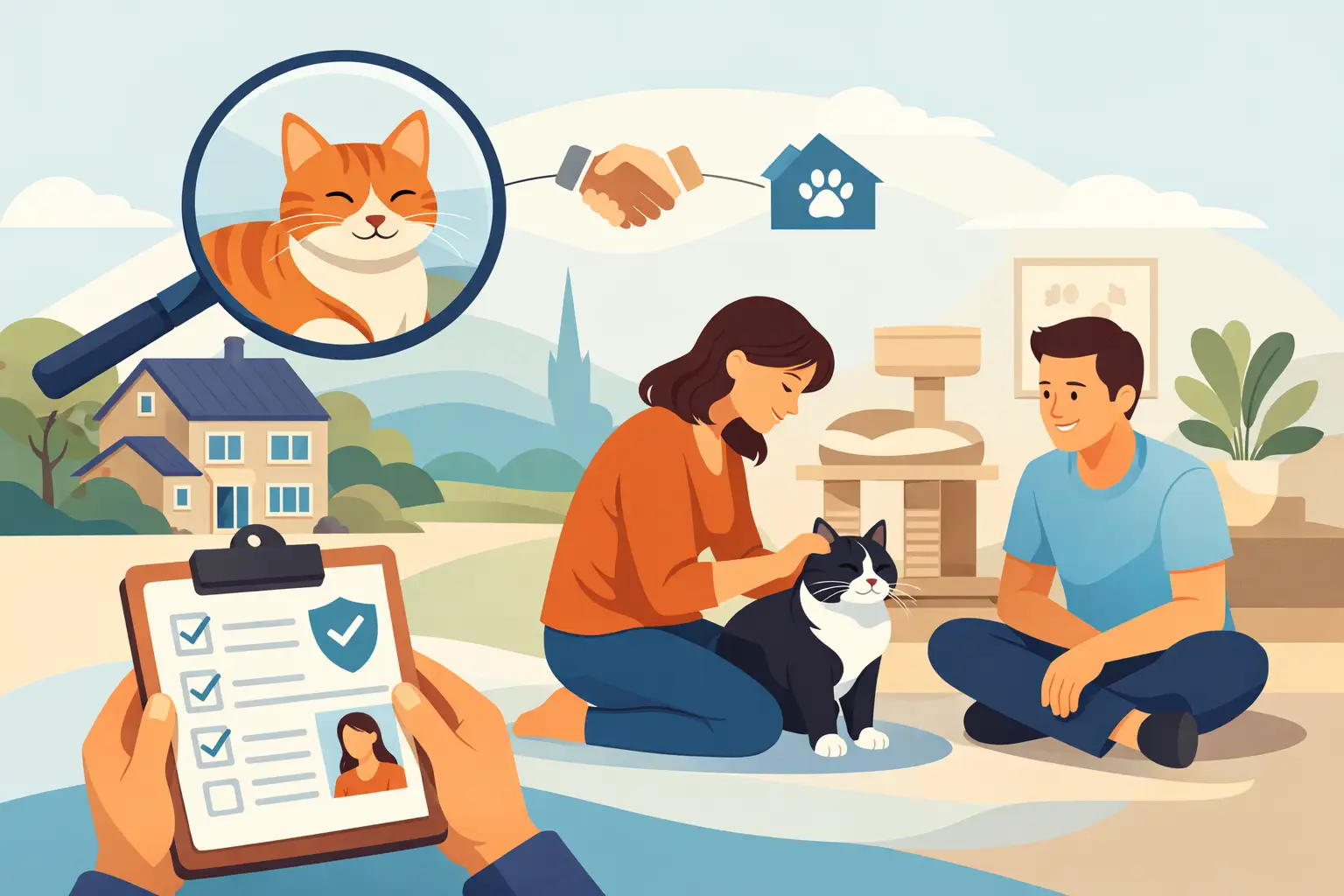
A cat may act as though your return from holiday is mildly inconvenient, but most cats notice every change in their routine. Their favourite feeding spot, the sound of the key in the door, the timing of playtime and even the way their litter tray is kept can all matter. Choosing a Macclesfield cat sitter is therefore about much more than arranging food and a quick check-in. It is about finding someone who will care for your cat properly while helping you leave home with confidence.
For many cats, staying in their own home is the kindest option. Rather than travelling in a carrier and adjusting to unfamiliar smells, noises and other animals, they can sleep in their usual places and carry on with the routine they know. The right local sitter provides practical care, companionship and a watchful eye, while keeping you updated so you never feel completely out of touch.
Why home visits suit so many cats
Cats are often happiest in familiar territory. Even affectionate, confident cats can find a cattery stressful, while shy cats may retreat from an unfamiliar environment altogether. Home visits allow them to keep their normal surroundings, from their preferred windowsill to the quiet room where they take their afternoon nap.
This does not mean every cat reacts in the same way. Some are sociable and will greet a sitter at the door, ready for fuss and play. Others will spend the first visit under the bed and only emerge when the house is quiet. A good sitter does not force friendship. They work at the cat’s pace, offering calm reassurance and taking the time to learn what makes that individual cat feel safe.
Home care can also be particularly helpful for multi-cat households, older cats, kittens and cats on a prescribed routine. Keeping everyone at home avoids the disruption of travel and makes it easier to follow the feeding, medication and litter arrangements they already know.
What a Macclesfield cat sitter should do at every visit
A reliable visit is not simply filling a bowl and leaving. Cats can be very good at disguising when something is not quite right, so attentive care combines routine tasks with careful observation.
Your sitter should refresh food and water according to your instructions, clean the litter tray, check that your cat is comfortable and spend suitable time with them. Depending on your cat’s personality, that may mean a gentle play session, brushing, a lap cuddle or simply sitting quietly nearby while they decide whether to say hello.
They should also look out for changes. Has your usually food-motivated cat left their breakfast? Is there vomiting, diarrhoea or a litter tray that looks different from usual? Are they hiding more than normal, moving stiffly or showing signs of discomfort? No sitter can replace a vet, but a responsible carer will notice concerns early, contact you promptly and follow the plan you have agreed for veterinary advice or emergencies.
A professional service also helps with the home itself. Opening and closing curtains, bringing in post, rotating lights and checking doors and windows can make the house look lived in while you are away. These small details are reassuring when you are travelling, especially if your trip is longer than a weekend.
Start with a proper meet and greet
The best cat care begins before you leave. A meet and greet gives you the chance to introduce your cat in their own surroundings, walk through their routine and see how the sitter communicates. It is also the moment to be honest about the less glamorous details: the cat who only eats a particular flavour, the cupboard door that sticks, the hiding place behind the spare bed and the carrier that causes a dramatic protest.
Use this time to explain your cat’s habits, personality and health needs. Share feeding amounts, treats, litter preferences, medication instructions, favourite toys and any areas of the house that should remain closed. If your cat has a history of anxiety, urinary issues, allergies or a tendency to escape through an open door, mention it clearly.
It helps to leave written instructions too. Even when a sitter has taken detailed notes, a simple household guide makes it easier to check emergency contacts, vet details, alarm information and daily routines. Keep it practical and easy to follow rather than relying on memory when you are packing at the last minute.
Questions worth asking before you book
Trust is earned through clear answers, not vague promises. Ask whether the sitter is insured and DBS-checked, how visits are recorded, what happens if the regular carer is unwell and how emergencies are handled. If updates matter to you, ask what you can expect – a message after each visit, photographs, a short report or GPS visit tracking.
It is also sensible to ask how much time is included in a visit. A ten-minute stop may be enough for a very independent cat on an occasional overnight trip, but many cats benefit from longer visits with time for play, affection and observation. For cats who are elderly, nervous, young or need medication, a more tailored arrangement may be the better choice.
There is no single schedule that suits every household. One visit a day can work well for healthy adult cats who are relaxed alone, while twice-daily visits give extra reassurance around meals, litter hygiene and company. A sitter should help you choose based on your cat’s actual needs rather than offering a one-size-fits-all answer.
The reassurance is in the communication
Being away from your cat can feel oddly unsettling, even when you know they are in safe hands. A short photo of them stretched out in their usual spot, a note that they have eaten well or a message to say they enjoyed a game with their feather toy can make a real difference.
Regular updates are not only for peace of mind. They show that the sitter has arrived, completed the agreed care and is paying attention to your cat as an individual. If something changes, you should hear about it quickly and calmly, with a clear explanation of what has been noticed and what steps are being taken.
Professional standards matter here. Fully insured, DBS-checked carers, straightforward booking and dependable communication give owners a level of accountability that a casual favour from a neighbour may not provide. A neighbour can be a wonderful option for some cats, of course, but it is worth considering whether they are available every day, comfortable with medication and prepared to act if a problem arises.
Preparing your home for cat sitting
A little preparation makes every visit safer and easier. Before you go, make sure you have enough food, litter and medication for the full period away, plus extra in case your journey is delayed. Leave supplies somewhere obvious rather than split across several cupboards.
Check that collars, microchip details and vet records are up to date, particularly for cats with outdoor access. Tell your sitter whether your cat is allowed out, when they usually return and what you would like them to do if your cat is not home at the normal time. Many owners prefer to keep cats indoors while they are away, especially during a short break, but this depends on the cat and their established routine.
Remove hazards where possible. Secure strings and blind cords, put away toxic plants or cleaning products, and make sure windows cannot be left dangerously open. If you use an automatic feeder or water fountain, do not rely on it as the only source of food or water. Technology can be useful, but a person checking your cat remains essential.
Scamps and Champs understands that leaving a pet is never just another item on the holiday checklist. Local cat care should feel personal, well organised and kind, with carers who take your instructions seriously and treat your cat like the individual they are.
When you find a sitter who listens, communicates clearly and respects your cat’s routine, you can step out of the door knowing there is a friendly, capable person ready to keep their day familiar, comfortable and cared for.