
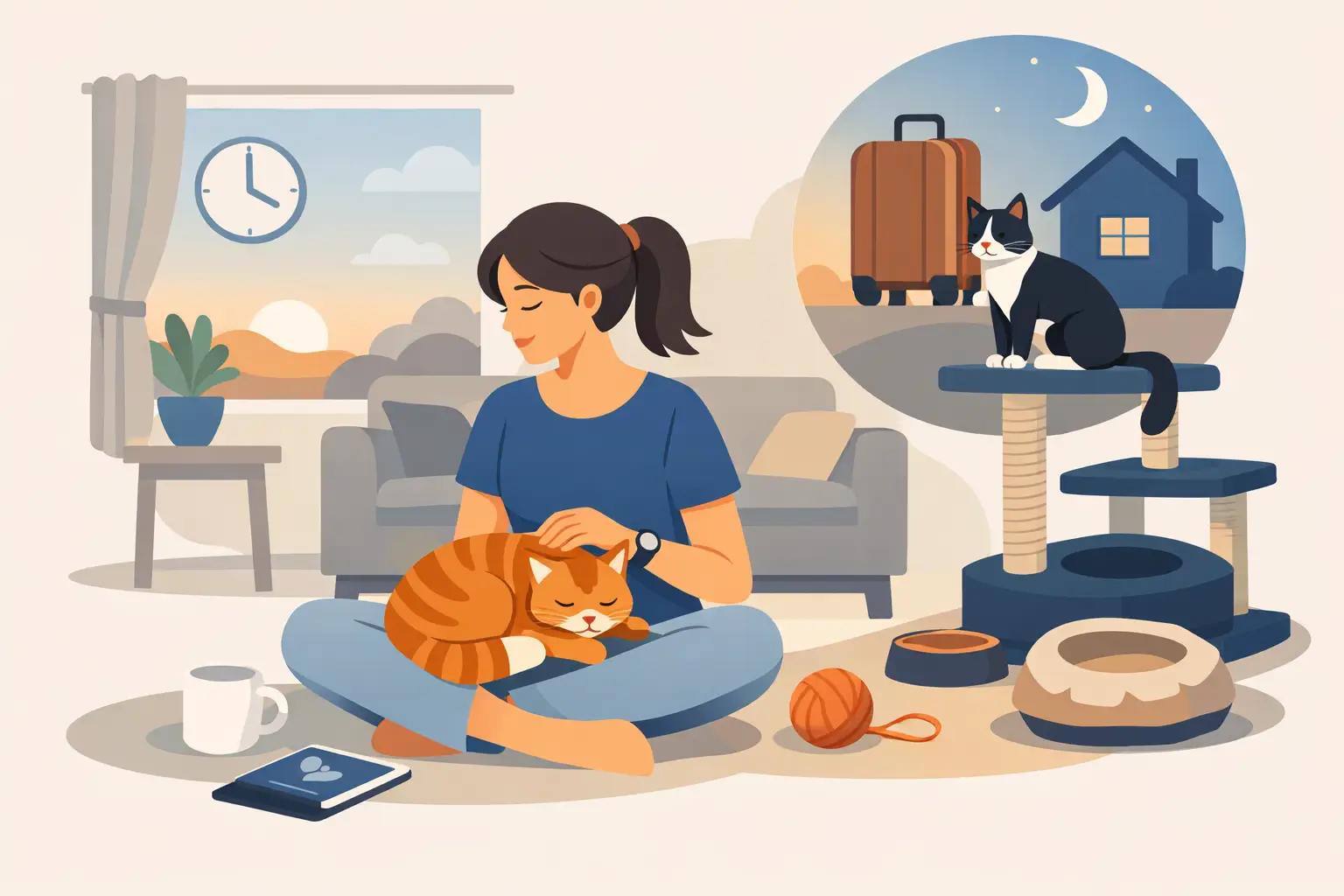
Some cats are perfectly content with a tidy food top-up, a clean litter tray and a quiet fuss before they wander off to nap. Others will greet a sitter at the door, demand company and make it very clear that a quick in-and-out visit will not do. That is why the answer to how long should a cat sitter stay depends less on a standard time slot and more on your cat’s personality, routine and needs. Meet our local cat sitters in Stockport.
For most cats, a visit of 20 to 30 minutes works well. It gives enough time for feeding, fresh water, litter tray cleaning, a quick check around the home and some proper attention. But that is only a starting point. Some cats need shorter check-ins more often, while others benefit from longer visits, especially if they are elderly, on medication, very sociable or unsettled when left alone.
How long should a cat sitter stay for a typical visit?
A typical cat sitting visit should be long enough to cover the practical essentials without making care feel rushed. In most homes, that means feeding your cat, refreshing water bowls, cleaning the litter tray, checking for any signs of sickness or stress, and spending a bit of time interacting in a way your cat actually enjoys.
For an easy-going adult cat in good health, 20 to 30 minutes is often the sweet spot. It allows the sitter to move calmly, notice small changes and keep your cat’s routine steady. A shorter stop can work if your cat is independent and only needs basic care, but once visits become too brief, there is a risk the sitter ends up just completing jobs rather than properly caring for your pet.
Longer visits, around 45 minutes to an hour, can be a better fit for cats that like company, need encouragement to eat, require medication or benefit from extra play. Kittens, in particular, often need more time because they are active, curious and more likely to get into things that need checking.
Why the right visit length depends on the cat
Cats are often seen as low-maintenance pets, but anyone who lives with one knows they all have their own quirks. One cat may hide under the bed until the sitter leaves, while another may follow them from room to room chatting the whole time.
If your cat is shy, a longer visit can still help, even if they do not come out for cuddles. A calm sitter has time to sit quietly, speak softly and let the cat settle on their own terms. That can reduce stress far more than a rushed visit where bowls are changed and the front door closes again two minutes later.
On the other hand, some independent cats really are happiest with gentle, efficient care and minimal disruption. In those cases, longer is not always better. The goal is not to keep a sitter in the house for the sake of it. It is to make sure your cat is safe, comfortable and cared for in the way that suits them best.
When 15-minute drop-ins can work
A 15-minute visit can be enough in a few situations. If your cat is healthy, confident, used to short periods alone and has a very simple routine, a brief visit may cover what is needed. This might suit a single overnight absence, or a cat with access to multiple water sources, timed feeders and a clean home set up carefully in advance.
That said, 15 minutes leaves little room for anything unexpected. If your cat has been sick, hidden away, knocked over a water bowl or left a mess outside the litter tray, time disappears quickly. Once feeding and basic cleaning are done, there may be almost no time left for reassurance or observation.
For that reason, very short visits are usually best treated as an exception rather than the ideal.
When longer visits are the better choice
Longer visits make sense when your cat needs more than the basics. This could be because of age, health, temperament or simply because they are used to a lot of company.
An older cat may need medication, slower movement around the home and close monitoring of eating, drinking and litter tray use. A nervous rescue cat may need consistency and patience. A bonded pair may be easy in some ways, but there are now two feeding routines, two behaviours to watch and two litter habits to monitor.
Then there are cats who become lonely. People are sometimes surprised by this, especially if they have heard that cats are solitary and self-sufficient. Many are independent, yes, but plenty form strong attachments to their people and notice the change when the house feels empty. For these cats, a longer stay can help break up the day and keep stress levels lower while you are away.
How often should a cat sitter visit?
Visit length matters, but so does frequency. In many cases, one visit a day is not the best option, especially if you are away for more than a night. Two visits a day often provides much better cover. It keeps feeding closer to normal routine, gives more regular litter tray cleaning and means someone is checking your cat and your home more than once.
For kittens, elderly cats and cats with medical needs, twice-daily visits are often the safer choice. Even confident adult cats can benefit from morning and evening visits because the gap between check-ins is shorter. If something has changed, it is noticed sooner.
There is always a balance between budget and ideal care, and a good sitter should be honest about that. One daily visit may be workable for some cats, but for many households, two well-timed visits are more reassuring for both pet and owner.
Signs your cat needs more time with a sitter
If you are unsure what to book, think about how your cat behaves when routines shift. A cat that stops eating properly when stressed, cries at night, overgrooms, becomes destructive or gets clingy after you return may be telling you they need more support while you are away.
The same applies if your sitter regularly reports that the visit feels rushed. Good care should allow time to notice details – whether your cat has touched their food, whether their litter habits look normal, whether they seem settled or withdrawn. If every minute is taken up by chores, the visit may be too short.
It also helps to think practically about your home setup. Multiple cats, indoor-only cats and homes where post, bins or plant watering need small checks may all call for a little extra time. That does not mean turning a cat sitting visit into full house sitting. It just means being realistic about what needs doing calmly and properly.
How to choose the right length before you book
The best place to start is with your cat’s normal day. When do they eat? Do they expect play in the evening? Are they sociable with new people or wary? Do they need tablets hidden in food, insulin at set times or encouragement to drink? Small details affect how long a sitter should stay.
Be honest about temperament, too. Owners sometimes worry that saying their cat is shy, needy or a bit particular will make care harder to arrange. In reality, that information helps create the right plan. A professional sitter would much rather know that your cat hides in the airing cupboard, refuses food if watched or only likes being stroked on the head than arrive unprepared.
A meet and greet is useful here because it gives everyone a clearer picture. The sitter can see the layout, understand the routine and advise whether your booking should be a short drop-in, a standard visit or something longer. That kind of planning is part of what makes professional cat care feel more reassuring than asking a neighbour to pop in when they can.
There is no one-size-fits-all answer
If you are looking for a simple rule, this is probably the most helpful one: book enough time for your cat to be cared for, not just checked. For many households, that means 20 to 30 minutes per visit, once or twice a day depending on the cat. For others, especially those with kittens, older cats or more emotional cats, longer visits are the kinder option.
The best cat sitting arrangements are built around the individual pet. They protect routine, reduce stress and give you confidence that someone trustworthy is taking the time to notice how your cat really is. At Scamps and Champs, that is exactly how we think care should feel.
If you are ever torn between a shorter or longer booking, it is usually worth leaning towards the option that gives your cat a bit more calm, company and attention. They may not say thank you out loud, but they will feel the difference.