
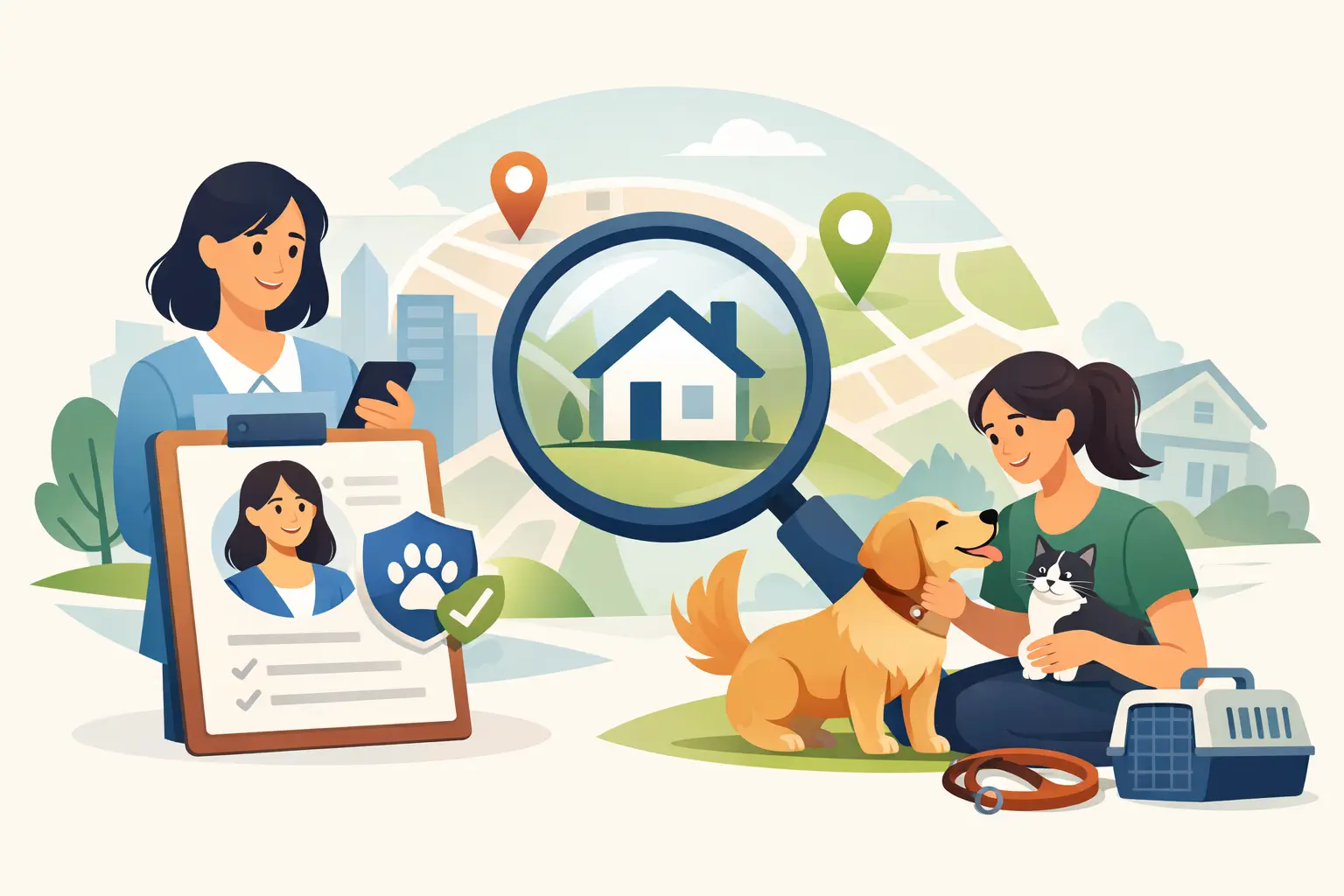
Leaving a house key with someone and trusting them with the pet who greets you at the door are two big things to ask. A DBS checked pet sitter can offer valuable reassurance, especially when you need regular visits while you are at work, care during a holiday, or overnight support for a pet who is happiest at home. But a DBS check is one part of choosing the right carer, not the whole picture.
The best pet care feels personal as well as professional. Your dog, cat or smaller pet should be looked after by someone who understands their routine, notices the little changes in their behaviour, and keeps you properly informed while you are apart.
What does DBS checked mean for a pet sitter?
DBS stands for Disclosure and Barring Service. A DBS check looks at a person’s criminal record information at the time the check is issued, subject to the level of check and what can legally be disclosed. For pet owners, it is a useful trust signal: it shows that a carer has been willing to undergo a formal background check rather than simply setting up a profile and taking bookings.
In most pet-sitting settings, a Basic DBS check is the relevant option. It may show unspent convictions and conditional cautions. Standard and Enhanced checks are only available for particular roles and eligibility criteria, so a responsible provider should be clear about what level of check their carers hold rather than making vague claims.
It is also worth remembering what a DBS certificate cannot tell you. It is not a qualification in animal care, a guarantee of good judgement, or a substitute for insurance and careful management. It is a sensible layer of reassurance, particularly when a sitter will have access to your home, but it should sit alongside other checks that protect both you and your pet.
Why a DBS checked pet sitter brings peace of mind
When you are looking for help, you may be balancing work deadlines, a family visit, a wedding, or a much-needed break. The last thing you need is uncertainty about who is coming into your home or whether they will turn up as arranged.
A DBS-checked carer gives you an extra level of confidence before the first visit. That matters even more for solo owners, households with young children, and anyone handing over keys or alarm details. It can also make the first meeting feel less daunting: you can focus on whether your pet and the sitter get along rather than feeling you have to take a leap of faith.
For pets, consistency is often the real comfort. A reliable local sitter can feed your cat in their familiar surroundings, walk your dog on routes they know, administer agreed medication, or stay overnight so your pet is not unsettled by a kennel or cattery. A good carer combines that familiar routine with clear, accountable working practices.
Check more than the certificate
A current DBS check is a positive sign, but it should be one question in a wider conversation. Ask a prospective sitter how they work, what happens if they are delayed, and how they handle a pet who becomes unwell. Their answers should be straightforward, specific and never defensive.
Look for suitable insurance as well. Pet care insurance can cover situations such as public liability and care, custody and control, depending on the policy. Ask what is covered and whether the service has procedures for accidents, emergencies and veterinary treatment. You should know who will contact you, which vet they would use, and how decisions are handled if you cannot be reached straight away.
Experience matters, although it does not have to mean decades in the job. A newer sitter who is well trained, organised and supported by an established local business may be a safer choice than someone with lots of informal experience but no records, insurance or contingency plan. The important thing is that they understand your particular animal, not only pets in general.
For dogs, ask about walking arrangements. Will your dog be walked alone or with others? How are leads, harnesses and recall managed? Are walks tracked, and can you see when they took place? For cats and smaller pets, ask how visits are recorded and how the sitter will spot changes in appetite, litter tray habits, water intake or mood.
Meet the person your pet will know
A meet and greet is not a formality. It is the chance to see whether a sitter listens carefully and whether your pet seems at ease around them. A confident dog may want to say hello immediately; a cautious cat may disappear behind the sofa. Both reactions are normal. What matters is whether the sitter respects your pet’s pace instead of forcing attention.
Use the visit to share the details that make your pet feel secure. Explain feeding times, preferred walking routes, triggers, hiding places, medical needs and any habits that might look unusual to a stranger. Mention the small things too, such as a dog who dislikes bicycles or a cat who only eats when the kitchen door is shut.
A thoughtful sitter will take notes and ask useful follow-up questions. They should also be happy to explain how keys are stored, how home access is managed, and whether another team member could step in if illness or an emergency prevents them from attending. A lone independent sitter may offer a wonderfully personal service, but their back-up arrangements need to be clear. A larger provider may have more cover available, although you should still ask who will actually care for your pet.
Look for communication you can rely on
Most owners do not need a constant stream of messages, but they do want to know their pet is safe, settled and cared for. Agree the level of contact before you book. A short update with a photo after a walk or visit can make all the difference when you are away, while GPS-tracked walks can provide extra reassurance for dog owners.
Good updates are more useful than generic ones. “Bella ate her breakfast, had a relaxed walk around the park and is now snoozing on her blanket” tells you far more than “all fine”. If something is not quite right, the sitter should tell you promptly and calmly, including what they have observed and what action they are taking.
This is where a professional booking system can help. Written booking details reduce misunderstandings about dates, visit times, feeding instructions and emergency contacts. They also give you a clear record of the service agreed. At Scamps and Champs, these practical details sit alongside the caring side of pet care, because peace of mind comes from knowing nothing has been left to chance.
Questions worth asking before you book
Before confirming a sitter, make time for a few direct questions. You do not need to interrogate someone, but you are entitled to understand how your pet and home will be looked after. Ask when their DBS check was completed, what level it is, and whether they can show evidence of it. A certificate is a snapshot, so the date is relevant.
You should also ask about insurance, first-aid knowledge, emergency procedures and cover for cancelled or missed visits. If your pet needs medication, be specific about the sitter’s experience and whether they are comfortable administering it. For overnight care, clarify where the sitter will sleep, how long your pet may be left alone, and whether they have other commitments that could affect the arrangement.
Finally, ask for feedback from previous clients or look for genuine customer reviews. Pay attention to comments about reliability, communication and how carers handled individual pets. A sitter may have glowing reviews for cheerful dog walks but little experience of nervous cats, elderly animals or pets needing medication. The right match depends on your needs.
When a home-based service is the better fit
A DBS-checked pet sitter is particularly helpful when your pet finds change difficult. Cats usually prefer to stay in their own territory, where their scents, sleeping spots and routines remain familiar. Older dogs, rescue pets and animals with medical needs may also be more settled with personalised care at home than in a busy boarding environment.
That said, home visits are not right for every animal or every situation. A very social dog may enjoy home boarding with a carefully matched family, while a pet that needs round-the-clock clinical monitoring may be better supported through your veterinary team. Honest pet care is about choosing what helps your individual pet thrive, not pushing one service for everyone.
A trustworthy sitter will welcome your questions, take your instructions seriously and treat every visit as a responsibility, not a quick stop between appointments. When that care is backed by DBS checks, insurance, dependable communication and a proper understanding of your pet, you can close the front door knowing they are in kind, capable hands.