
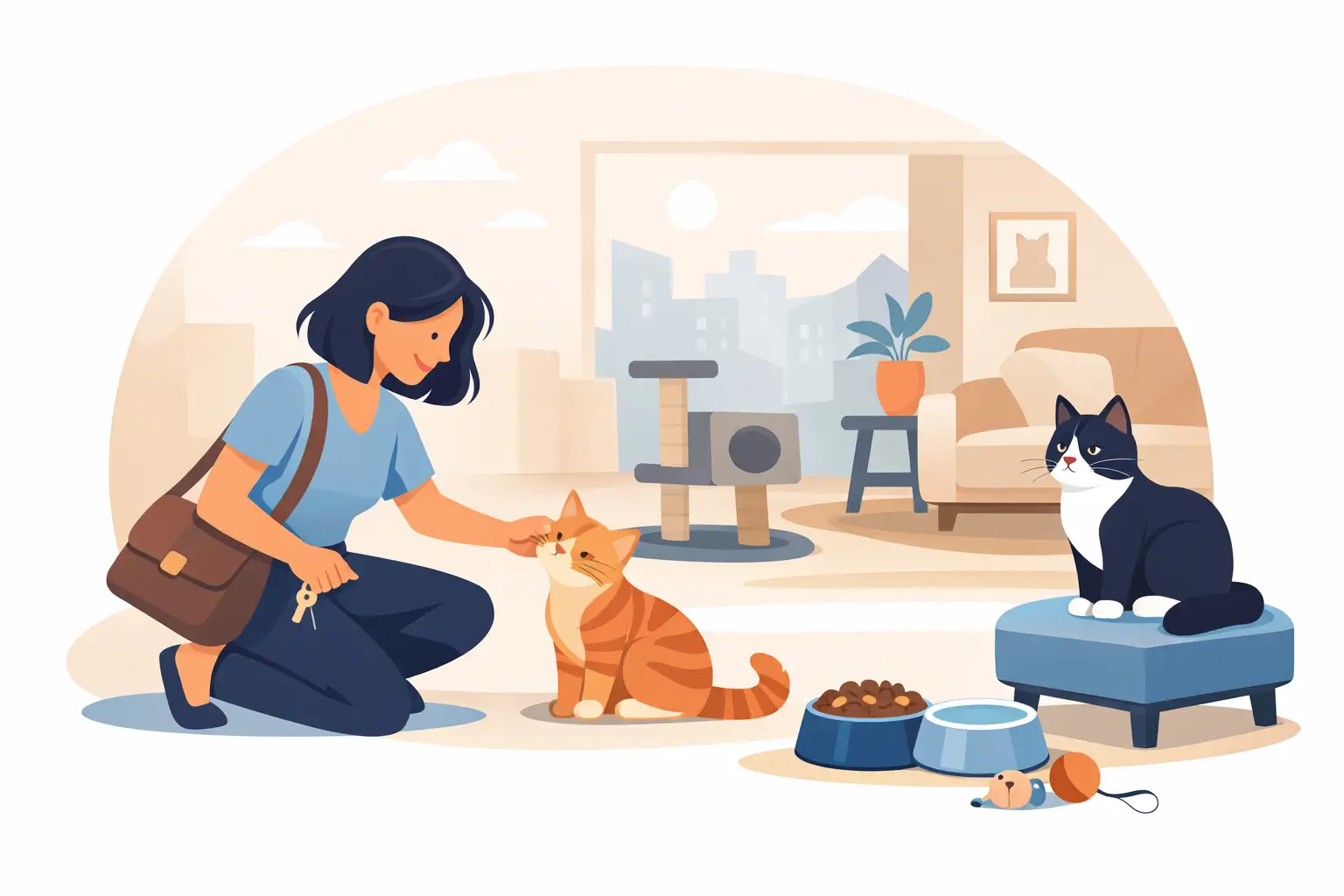
Your cat is happiest when nothing much changes. The same windowsill, the same food bowl, the same quiet patrol of the house at 6am. That is why cat sitting home visits are such a good fit for many cats and their owners. Instead of moving your cat into a cattery, a trusted carer visits your home, keeps routines steady and makes sure your cat is safe, fed and comfortable while you are away. Looking for a cat sitter in Stockport?
For a lot of owners, that simple idea brings a huge sense of relief. Cats are creatures of habit, and even confident ones can find a new environment stressful. Home visits let them stay where they feel secure, with their own scents, sleeping spots and daily rhythm still in place. For owners, it means less upheaval and a more personal kind of care.
Why cat sitting home visits work so well
Cats are often seen as independent, but that does not mean they cope well with sudden change. Some will hide, stop eating properly or become unsettled when removed from home. Others may seem fine at first, then show signs of stress later. Keeping them in their own space usually avoids a lot of that.
A home visit can cover the practical basics such as feeding, fresh water and litter tray cleaning, but the real value is in the routine and reassurance. A good sitter notices whether your cat has greeted them as usual, whether they have eaten normally, whether the tray looks right and whether anything seems off. That kind of close attention is often harder to achieve in a busier, unfamiliar setting.
There is also the question of personality. Some cats want fuss and company, while others prefer a respectful distance and a quiet check-in. Home visits can be tailored around that. The best care is not one-size-fits-all. It depends on your cat, your schedule and how much support your household needs while you are away.
What happens during cat sitting home visits
Most visits are built around your cat’s normal routine. That usually means feeding, refreshing water, cleaning litter trays and checking your cat’s overall wellbeing. If your cat enjoys attention, the sitter may spend time playing, grooming or simply sitting nearby for company. If your cat is shy, the visit may be calmer and more observational.
In many cases, owners also ask for a few sensible household touches while they are away. Bringing in post, opening and closing curtains, rotating lights or checking that everything looks secure can help your home feel lived-in. It is a small thing, but it often adds peace of mind.
Updates matter too. For most owners, knowing their cat has eaten well and appeared relaxed can make all the difference when they are at work, away for the weekend or on holiday. A clear message after each visit helps turn pet care from a worry into one less thing to think about.
One visit or two visits a day?
This depends on your cat more than anything else. Some adult cats who are settled, healthy and used to quiet days at home may be perfectly fine with one well-timed visit. Others do better with two, especially if they are very sociable, need medication, are elderly or have more specific feeding needs.
Kittens nearly always need more support. They are more active, more curious and far less predictable. The same can be said for cats recovering from illness or cats with medical conditions. In those cases, more frequent visits are often the safer and kinder option.
Who benefits most from home visits?
Owners heading away for a short break are an obvious fit, but cat sitting home visits are just as useful for day-to-day life. If work runs late, if you have a family emergency, or if you need regular support during busy periods, home visits can take pressure off without disrupting your cat.
They are especially helpful for cats who dislike travel, become stressed in carriers or do not cope well around other animals. For multi-cat households, home visits can also be much simpler than transporting everyone elsewhere. Your cats stay together, their routine stays familiar and the whole arrangement feels more settled.
Older cats often benefit a great deal. They may have favourite sleeping places, slower habits and health needs that are best managed in a known environment. Nervous cats do too. A quiet, predictable visit from the same trusted person can be far gentler than a complete change of scene.
Choosing a sitter you can trust
Handing over your keys is a big deal. So is trusting someone with a pet who feels like part of the family. That is why professionalism matters just as much as warmth.
A reliable cat sitter should be fully insured, properly vetted and clear about how the service works. DBS checks matter. So does good communication. You should know when visits will happen, what is included and how updates will be shared. It should feel organised, but never cold.
Experience with cats is important because feline care is often about subtle signs. A dog may make it obvious when something is wrong. Cats can be much quieter about it. An experienced sitter will notice changes in appetite, behaviour or litter habits and know when to raise a concern.
Consistency also helps. Cats generally do better when the same person visits rather than a different face each day. Familiarity builds trust, and that can make all the difference with shy or cautious cats.
Questions worth asking before you book
It is sensible to ask how long each visit lasts, whether the sitter has experience with medication, what happens in an emergency and how updates are handled. You may also want to know whether they can accommodate special diets, indoor-only cats or households with multiple pets.
A meet and greet is especially useful. It gives you a chance to talk through routines, show where food and litter are kept, explain any quirks and see how your cat responds. Not every cat will march over and say hello, of course, but even that tells an experienced sitter something useful.
Preparing your home for a smooth visit
A little preparation goes a long way. Leave clear instructions, enough food and litter for the full booking, and any medication your cat might need. If your cat has favourite hiding spots, odd habits or a talent for sneaking into cupboards, mention it. The more your sitter knows, the better they can care for your cat as an individual.
It also helps to keep essentials in easy-to-find places. Bowls, litter supplies, cleaning products, toys and carriers should all be accessible. If there is anything in the home your cat must not get near, make that clear too.
Emergency contact details are essential. Leave your mobile number, where you are staying, your vet’s details and a backup contact closer to home. Good planning rarely feels dramatic at the time, but it matters if something unexpected happens.
The trade-off compared with a cattery
Home visits are not automatically the right answer for every cat. Some highly social cats may prefer more constant company, especially if they are very people-focused and do not enjoy long stretches alone. In those cases, overnight care or a different arrangement may suit better.
But for many cats, especially those who value territory and routine over novelty, home visits are the gentler option. There is no travel stress, no unfamiliar pens, no new smells from other cats and no sudden change in daily surroundings. That tends to mean a calmer cat and a more relaxed owner.
The best choice comes down to temperament, health and how long you will be away. It is not about what sounds nicest on paper. It is about what genuinely suits your cat.
Why reassurance matters for owners too
Most people are not just booking a practical service. They are looking for peace of mind. They want to know their cat is not simply being checked on, but properly cared for by someone who notices the details and takes the job seriously.
That is where a professional, local service can make a real difference. Friendly communication, dependable visit times and thoughtful updates help owners feel connected even when they are away. For families, busy professionals and regular travellers, that reassurance is often the deciding factor.
At Scamps and Champs, that is exactly what cat care should feel like – personal, safe and dependable, with pets looked after in the comfort of home.
If you are weighing up your options, start with your cat’s routine and temperament, not just your diary. The right care should make life easier for you, but more importantly, it should let your cat stay comfortable, settled and very much themselves while you are away.