
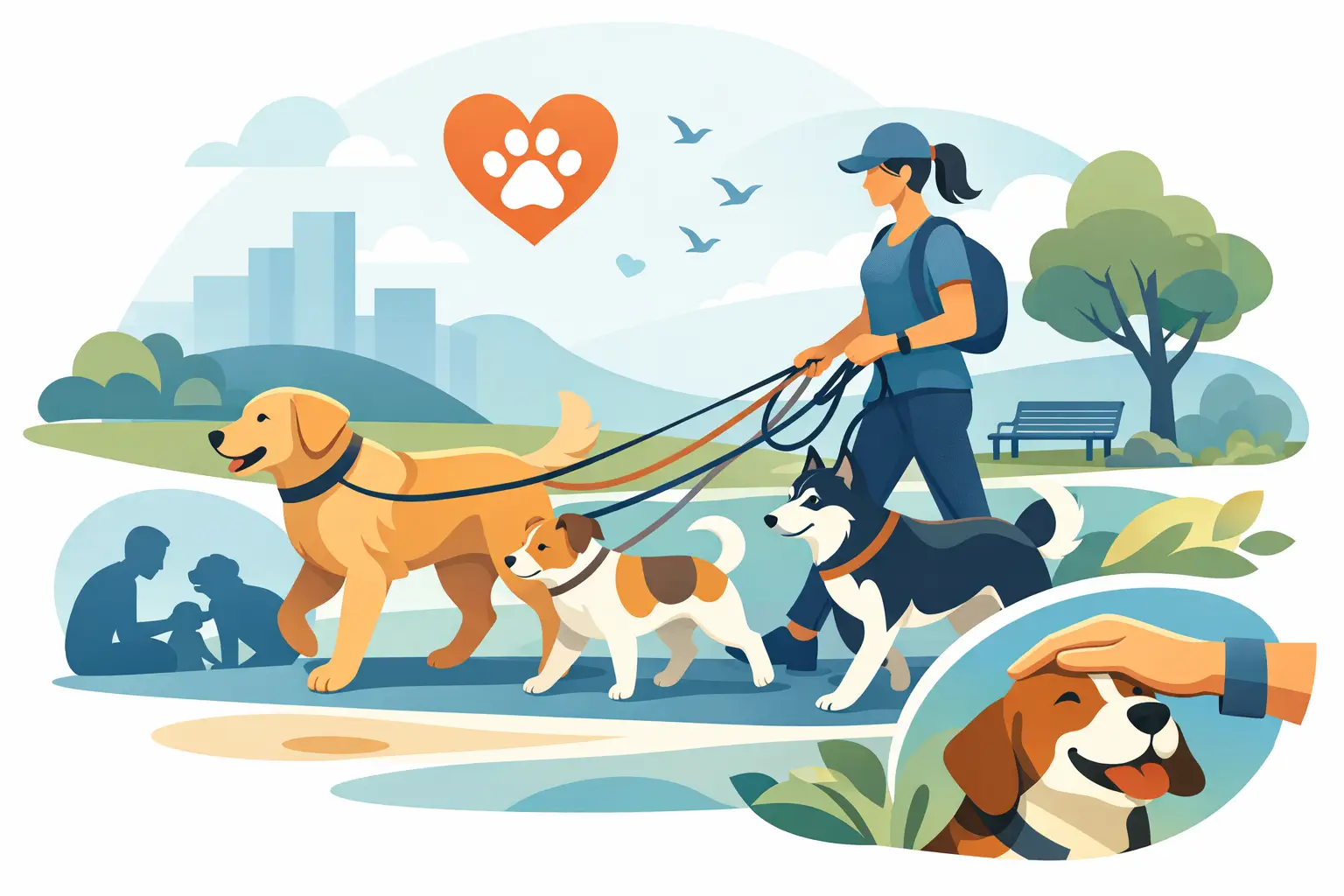
A walk is rarely just a walk to a dog. It is the exciting part of the day: new scents, familiar routes, a chance to stretch their legs and a little time focused entirely on them. For owners juggling work, school runs, appointments or travel, professional dog walking services can make that daily need feel much easier to manage.
The right walker does more than fill a gap in the timetable. They get to know your dog’s pace, personality and routines, then provide dependable care that helps them stay content at home. Whether your dog needs a lively lunchtime outing, a gentler wander, or regular company while you are at work, consistency matters.
What good dog walking services should provide
Every dog has different needs. A young, energetic spaniel may be ready to cover ground and investigate every hedge, while an older dog may prefer a slower stroll with plenty of sniffing. Some dogs love canine company; others are far happier with a one-to-one walk and calm attention.
A professional service should take this into account from the start. Before walks begin, a proper meet and greet gives you the chance to talk through your dog’s routine, behaviour, health needs and favourite things. It also lets your dog meet their carer in a relaxed setting, without the pressure of a rushed handover.
Reliable care is built on clear details. Your walker should understand feeding times, medication instructions, lead manners, recall, triggers, allergies and any areas or situations that make your dog uneasy. This is especially valuable for rescue dogs, puppies still learning the ropes, and dogs who can become worried around traffic, strangers or other animals.
Trust should never be an afterthought. Fully insured, DBS-checked carers, clear booking arrangements and regular communication help owners feel confident that their dog is in safe hands. GPS tracking and walk updates can offer further reassurance, particularly when someone else is caring for your dog for the first time.
Why routine walks matter beyond exercise
Most owners can spot the difference after their dog has had a good walk. They are often calmer, more settled and ready to rest. Exercise supports physical health, but the mental side is just as useful. Sniffing, exploring and spending time outdoors give dogs an outlet for natural curiosity.
Regular walks can also help prevent boredom. A dog left alone for long periods may find their own entertainment, which can mean chewing, barking, digging or general mischief. Of course, behaviour has many causes and a walk is not a cure-all. But a suitable routine, company and stimulation can make a meaningful difference for many dogs.
The best arrangement depends on your household. Some dogs benefit from a daily weekday walk, while others only need support on the days you are in the office. Families may need help during busy school holidays. Older dogs might need short, frequent outings rather than one long adventure. Good care is flexible enough to fit real life, not force every dog into the same pattern.
Group walks or solo walks?
Group walks can be wonderful for social dogs that enjoy being around other friendly, well-matched dogs. They can provide play, variety and confidence, provided the group is carefully managed and never too large. Compatibility is more important than simply putting dogs together based on size.
Solo walks offer a quieter option. They are often a good fit for nervous dogs, dogs in training, those with health considerations, or simply dogs that prefer their own space. A one-to-one walk also allows the carer to work entirely at your dog’s pace.
Neither option is automatically better. The right choice comes down to your dog’s temperament, their stage of life and how they respond to other dogs. An experienced local carer should be happy to discuss the options honestly rather than recommend a service that does not suit your pet.
Choosing a walker you can feel comfortable with
Handing over your house keys and trusting someone with a much-loved dog is a big decision. Price matters, but it should not be the only consideration. A cheaper walk may not feel like good value if communication is patchy, timings are unclear or your dog is treated as just another stop on a busy route.
Start by asking how the service gets to know each dog. Find out whether walks are tailored, what happens in poor weather, how dogs are transported if needed, and how the carer manages unexpected situations. It is sensible to ask about insurance, DBS checks, first-aid awareness and what procedures are in place if a dog becomes unwell or unsettled.
You should also know who will be walking your dog. Some owners prefer one familiar carer wherever possible, while others are comfortable with a small, well-briefed team. There can be a benefit to both approaches: consistency helps dogs build trust, while a professional team can provide cover if a carer is ill or away. What matters is that you are told clearly and your dog’s routine is passed on properly.
A good first meeting should feel unhurried. Watch how the carer approaches your dog. Are they patient? Do they listen to your concerns? Do they ask useful questions rather than assuming all dogs are alike? You know your pet better than anyone, and a caring professional will value that knowledge.
Making the first few walks easier
A little preparation helps your dog settle into a new routine. Leave clear instructions on feeding, treats, access to the garden and any habits your walker should know about. If your dog has a preferred harness, lead or coat, make sure it is easy to find and in good condition.
Try to keep the first few walks consistent. The same collection time, a familiar route and calm goodbyes can help a dog understand what is happening. For dogs prone to separation anxiety, avoid making departures overly emotional. A relaxed handover communicates that this is a normal, safe part of the day.
Updates can be especially reassuring at the beginning. A short message, photo or GPS record lets you see that your dog is out enjoying themselves, and it gives the walker a chance to mention anything useful, such as a change in appetite, toilet habits or behaviour. Open communication works both ways: if your dog has had a poor night, a vet visit or an upset stomach, let the carer know before the walk.
Local care makes a practical difference
Using a local service means your dog’s care is less likely to feel rushed or anonymous. A carer who knows the area can choose suitable walking spots, avoid busy times where needed and build a dependable routine around your home. It also makes those last-minute changes a little less daunting when work runs late or plans shift.
For pet owners across Greater Manchester and surrounding branch areas, Scamps and Champs offers a friendly alternative to trying to manage every walk alone. The aim is simple: give dogs safe, enjoyable time outdoors while giving their owners confidence that someone caring, professional and accountable is looking after them.
Dog walking is not about replacing the time you share with your pet. It is about making sure their day still includes the movement, attention and fresh air they need when life gets busy. Choose a carer who listens, communicates clearly and treats your dog as the individual they are – then every walk can become a happy, dependable part of their week.