
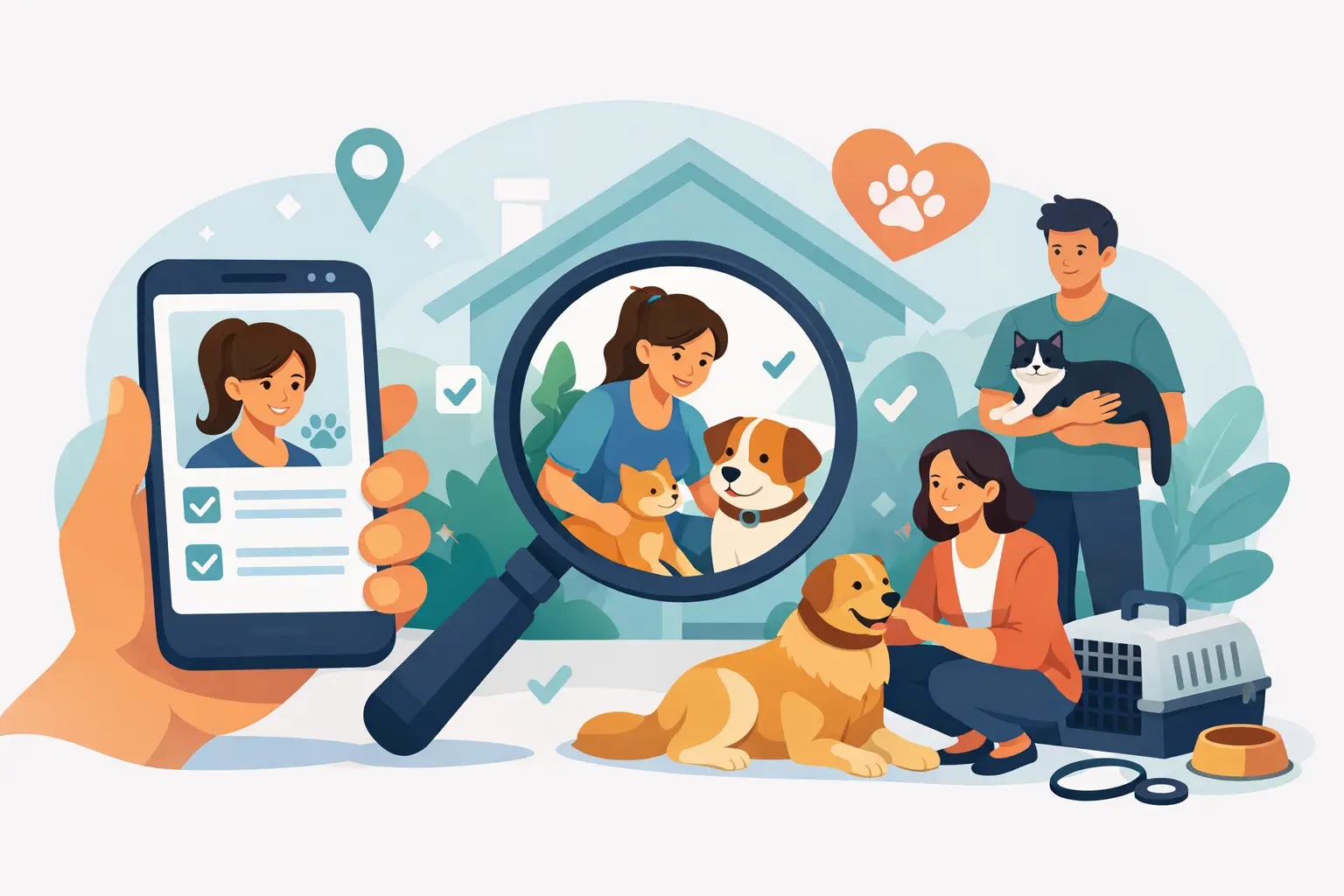
The hardest part of going away is often not packing the suitcase. It is closing the front door and wondering whether your dog, cat or small pet will feel settled without you. Finding a trusted pet sitter means looking beyond a friendly profile or a convenient price. You need someone who understands your pet’s routines, takes their safety seriously and keeps you informed while you are apart.
For many pets, care at home can be a gentler alternative to kennels and catteries. Familiar smells, favourite sleeping spots and a usual feeding routine can make a real difference, particularly for anxious dogs, independent cats and pets with medication needs. But the right arrangement depends on your pet, the length of your trip and the quality of the person providing the care.
Start with your pet’s real needs
Before comparing sitters, be clear about what your pet needs on an ordinary day, not just what is easiest to book. A young, energetic dog may need structured walks, play and company between visits. A senior cat may be happiest with calm daily feeding, litter care and a familiar face. Rabbits, guinea pigs and other small pets need reliable cleaning, careful feeding and someone who knows what signs of illness to look for.
Write down feeding times, walk length, sleeping habits, medication, triggers and anything that helps your pet feel secure. Does your dog pull towards other dogs? Does your cat hide when visitors arrive? Can your pet be left alone, and for how long? A good sitter will welcome these details rather than treating them as a fuss.
It also helps to decide what level of care you are looking for. A drop-in visit may suit a confident cat while you are away for a weekend. Overnight pet sitting can be more reassuring for a dog who struggles with separation or a household with several pets. There is no one-size-fits-all choice – the best option is the one that keeps your pet comfortable and gives you confidence in the plan.
What makes a pet sitter trustworthy?
Trust is built through clear standards, not promises alone. A sitter should be happy to explain how they work, what happens in an emergency and how they keep both pets and homes secure. You should never feel awkward asking direct questions. This is somebody you may be trusting with a much-loved family member and access to your home.
Look for professional basics such as appropriate insurance and DBS checks, particularly when a sitter will be visiting your home or staying overnight. Ask whether they have experience with your type of pet, including any medical, behavioural or mobility needs. Practical training in pet first aid is reassuring too, although it should sit alongside sound judgement and a willingness to contact you or a vet promptly when needed.
Reliable communication matters just as much. You should know who will be caring for your pet, when they will arrive and how you will receive updates. Photos, messages and visit reports are not simply a nice extra when you are on holiday. They show that the service is accountable and let you see that your pet is eating, resting and enjoying their usual routine.
Questions worth asking before you book
A professional carer will expect questions and answer them plainly. Ask how they handle keys or home access, whether another trained team member can step in if they are unwell, and what their emergency procedure involves. Find out how walks are managed, whether dogs are walked alone or in groups, and how the sitter prevents escapes when entering or leaving your property.
For overnight care, ask about the sitter’s schedule and how much time they will spend in your home. “Overnight” can mean different things to different providers, so it is worth agreeing on arrival and departure times. If your pet has medication, ask who administers it, how doses are recorded and what happens if your pet refuses food or treatment.
Customer feedback can also be useful, especially when reviews mention consistency, communication and how a sitter responded to a pet’s individual personality. A stream of vague five-star ratings is less helpful than detailed comments from owners whose circumstances sound like yours.
Arrange a proper meet and greet
A meet and greet is where paperwork becomes personal. Your pet gets to meet the sitter while you are present, and you can watch how the interaction develops. There is no need to expect instant cuddles. Some pets need time and space, and a calm sitter will not force attention or rush a nervous animal.
Use the visit to show the sitter where food, leads, cleaning supplies, litter, medication and the pet carrier are kept. Explain household rules clearly, including rooms that are off limits and whether your dog is allowed on the sofa or bed. Share your vet’s details, emergency contact and any alarm instructions needed for safe access.
Pay attention to the questions the sitter asks you. Do they ask about your pet’s normal toileting, appetite and behaviour? Do they want to know about other animals in the home, road awareness or fears such as fireworks? A thoughtful conversation is often a stronger sign of good care than a polished sales pitch.
If you have a very anxious pet, consider arranging a short introductory visit before a longer booking. For dogs, a walk with the sitter before your trip can build familiarity. For cats, a quiet drop-in while you are at home may help them recognise the person who will later be feeding them. This small bit of preparation can reduce stress for everyone.
Finding a trusted pet sitter locally
Local knowledge has practical value. A sitter based near you is more likely to understand nearby walking routes, local veterinary practices and the realities of getting to your home in poor weather or busy traffic. It can also make regular care, last-minute work commitments and follow-up visits easier to arrange.
For owners in areas such as Stockport, Halifax and Macclesfield, choosing an established local service can offer the personal feel of a neighbourhood carer with the reassurance of organised support behind them. Scamps and Champs, for example, pairs local pet care with insured, DBS-checked carers, clear booking arrangements and regular updates designed to put owners at ease.
That said, proximity alone is not enough. The closest sitter may not be the best match for a reactive dog, a multi-cat home or a pet requiring specialist care. Compare your options by standards, experience and the connection they build with your animal, then weigh that against convenience and cost.
Agree the details before you leave
Once you have chosen a sitter, put the plan in writing. Confirm dates, visit times, services, fees, cancellation terms and how to contact each other. Leave enough food, treats, medication and cleaning supplies, plus a little extra in case travel delays keep you away longer than planned.
Create a simple care sheet that covers daily routines and emergency information. Keep it practical: feeding amounts, walking instructions, medication doses, your vet’s telephone number, a backup contact and any behavioural notes. Let the sitter know whether they can make decisions up to an agreed spending limit if urgent veterinary treatment is required and you cannot be reached.
It is sensible to make your home safe for visits too. Secure bins, remove hazards from worktops, check gates and leave leads in an obvious place. For cats, make sure windows and cat flaps are discussed in advance. Good pet care is a partnership – your sitter brings experience, while you provide the knowledge only an owner has.
Trust your observations, not just your checklist
Credentials and processes matter, but so does the feeling you get when someone meets your pet. You are looking for calm competence, kindness and consistency. A trustworthy sitter will respect your routines, be honest about what they can provide and communicate early if something changes.
Once you have found that person, keep the relationship going with clear feedback after each booking. Familiar care becomes even more valuable over time: your pet recognises the sitter, the sitter notices small changes in their behaviour, and leaving home feels a little less difficult. That peace of mind is not a luxury – it is what good pet care should provide.