
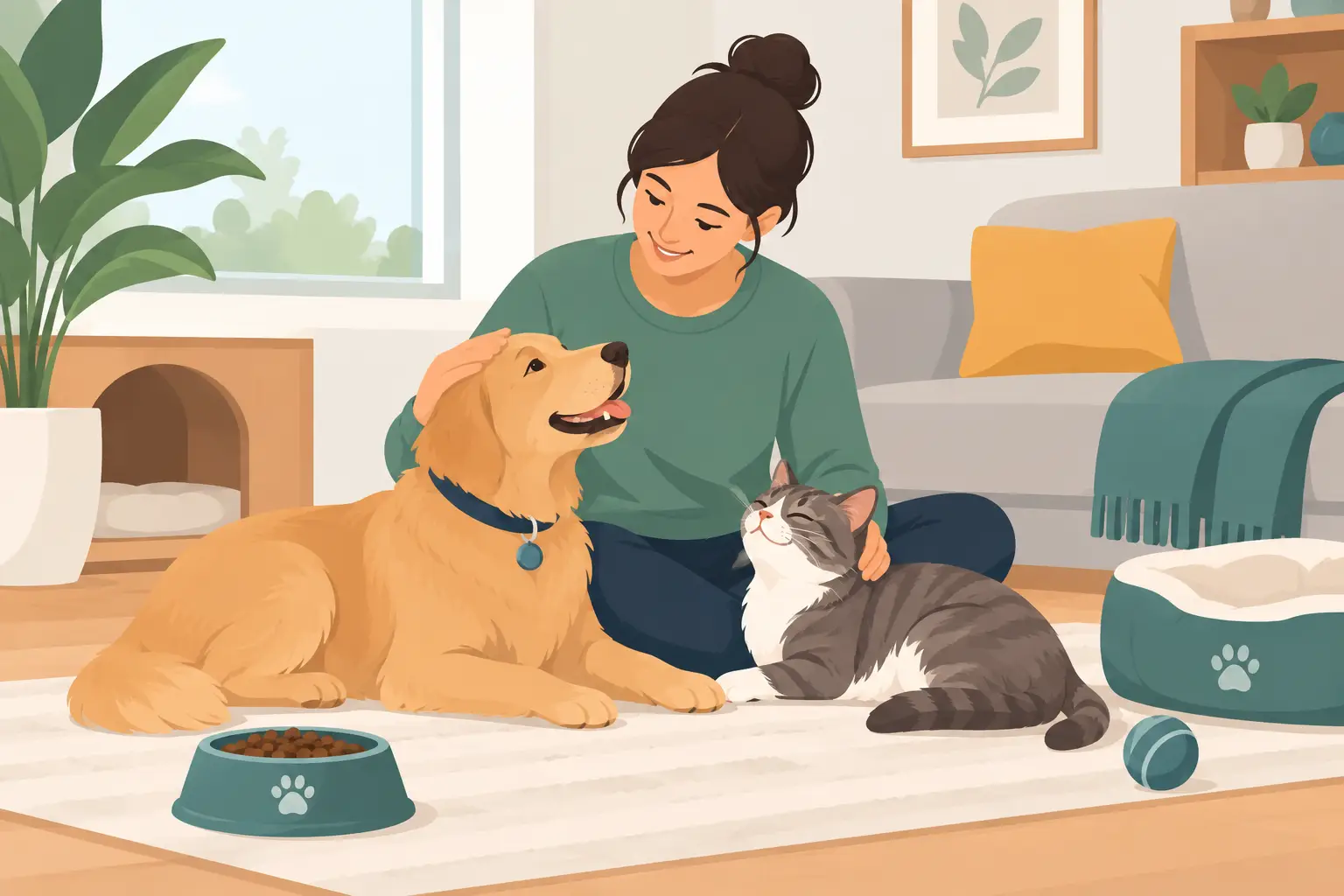
A dog who takes time to trust new people, a cat who only eats when the house is quiet, or an older pet who needs medication at a particular time will not always thrive with one-size-fits-all care. The benefits of personalised pet care come from recognising those details and building care around them, rather than expecting a pet to adapt to an unfamiliar routine.
For many owners, arranging care is not simply a practical task before work, a holiday or a family event. It is about handing over responsibility for a much-loved family member. Personalised support can make that handover feel far less daunting, while helping pets stay comfortable, settled and properly understood.
Why personalised pet care feels different
Personalised care starts with getting to know the pet in front of you. Their usual walk length, feeding habits, favourite toy, health needs, confidence around other animals and little quirks all matter. A lively young dog may need an energetic local walk and a chance to practise calm manners. A senior dog may be happier with a slower route, more sniffing time and a quiet rest afterwards.
The same applies to cats and smaller pets. Some cats enjoy company and play, while others prefer a gentle visit that protects their space and routine. Rabbits, guinea pigs and other small animals need thoughtful feeding, cleaning and observation too. Care should never be based on the assumption that every pet wants the same thing.
This approach also gives owners a chance to explain what works at home. Perhaps your dog settles with a particular phrase, your cat hides from visitors, or your pet becomes anxious during thunderstorms. A good carer listens without judgement and uses that information to make each visit kinder and more effective.
Familiar surroundings can reduce stress
One of the clearest benefits of personalised pet care is that it can keep pets close to the sights, smells and routines they know. In-home cat sitting and pet sitting can be especially helpful for animals that find travelling or new environments unsettling. They can sleep in their usual place, eat from their own bowl and follow their normal daily rhythm.
This does not mean every pet is best cared for at home. Some sociable dogs genuinely enjoy home boarding with a suitable, carefully matched carer. The key is the match. A pet who loves company may flourish with a carer and household that suit their temperament, while a nervous pet may be more comfortable with quiet one-to-one support in their own home.
Traditional kennels and catteries can be right for some animals and some circumstances, particularly where specialist facilities are needed. But for pets who become overwhelmed by noise, unfamiliar animals or changes in routine, a more individual option can be a friendly alternative. It depends on the pet, not just the owner’s diary.
Routine is more than a timetable
Pets notice the small patterns that make up a normal day. Breakfast at a familiar time, a walk before the school run, medication with a treat, or a few minutes of play before bedtime can all provide reassurance. Maintaining those patterns helps a pet understand that, although their owner is away, their world is still safe and predictable.
Personalised care also allows sensible flexibility. On a hot day, a dog may need a shorter, cooler walk. If a cat seems withdrawn, a patient carer can give them room while keeping a closer eye on their appetite and behaviour. That attention is difficult to provide when care is designed around a rigid, high-volume schedule.
Better care for individual health and behaviour needs
A pet’s needs can change quickly. Puppies need patient guidance and plenty of toilet breaks. Older pets may have reduced mobility, arthritis or a more delicate appetite. Rescue animals may need extra time to build trust. Pets on medication need carers who can follow clear instructions reliably and flag anything that does not seem right.
Personalised pet care does not replace veterinary advice, and a professional carer should know when to contact an owner or seek urgent veterinary help. What it can provide is close, consistent observation. When the same trusted person sees a pet regularly, they are more likely to spot changes such as reduced appetite, unusual tiredness, limping or behaviour that is out of character.
For dogs, the right type of walk matters as much as the fact that a walk happens. Some dogs are happiest meeting friendly canine companions. Others need solo walks because they are reactive, recovering from illness, in season or simply more relaxed without other dogs nearby. Matching the walk to the dog can support their welfare and make outings safer for everyone.
Reassurance for owners, not just pets
Being away from a pet can be hard, even when you know they are in capable hands. Regular updates turn uncertainty into reassurance. A short message, photo or note about how a walk went, whether dinner was eaten or whether your cat came out for a fuss can make a real difference during a busy day or holiday.
Trust is built through more than friendly messages. Owners should be able to feel confident that the person entering their home or caring for their pet has been properly checked, is insured and understands the agreed plan. Clear booking details, reliable arrival times and open communication matter because they show that care is organised as well as affectionate.
At Scamps and Champs, that local, personal relationship is supported by professional standards such as DBS-checked, insured carers and practical booking systems. It means owners can ask questions, share care notes and feel confident that their pet is not simply another slot in the diary.
Local knowledge makes everyday care easier
A local carer understands the practical side of pet ownership in the area. They know suitable walking routes, how weather can affect plans and why a dependable handover matters when you are rushing to work or travelling from Manchester Airport. For owners in places such as Stockport, Halifax or Macclesfield, nearby support can make last-minute changes and regular bookings much more manageable.
GPS-tracked dog walks can offer an additional layer of confidence where available, showing that the planned outing has taken place. This is not about monitoring a carer instead of trusting them. It is about clear accountability and giving owners useful information when they cannot be there themselves.
Personalised care supports real-life plans
The value of tailored pet support often becomes most obvious on days when life is already full. A regular dog walker can help working households avoid leaving a dog alone for too long. A cat sitter can keep a holiday from becoming stressful for an animal who dislikes car travel. Overnight pet sitting can provide comfort and security when owners are away for several nights.
It can also help with happier occasions. Couples planning a wedding may want their dog involved in photographs or at the ceremony, without asking a guest to miss part of the day. A dedicated pet chaperone can collect, supervise and settle the dog afterwards, allowing everyone to enjoy the celebration.
The right arrangement should be agreed in advance. Be honest about your pet’s behaviour, medical needs and triggers, and share practical details such as feeding amounts, vet contact information, alarm instructions and who to call in an emergency. Good personalisation relies on a good partnership between owner and carer.
How to choose a care plan that genuinely suits your pet
Start with your pet’s experience rather than the service name. Ask where they are likely to feel safest, how much company they need and whether they cope well with change. Then consider your own needs: the days and times you need help, how often you would like updates, and whether you need support for a one-off occasion or an ongoing routine.
A meet and greet is valuable because it lets everyone assess the fit. Watch how the carer approaches your pet. Do they ask useful questions? Do they listen to your concerns? Are they calm, patient and realistic rather than promising that every pet will immediately be comfortable? Trust should feel earned.
It is also sensible to ask about insurance, DBS checks, emergency procedures, medication experience and how visits or walks are recorded. These details may not be the most glamorous part of arranging pet care, but they are often the ones that provide peace of mind when plans change.
The best care arrangement is one that leaves your pet settled and leaves you able to get on with your day, holiday or special occasion without a knot of worry. When a carer understands the little things that make your pet feel at home, time apart can become a manageable part of family life rather than a source of stress.