
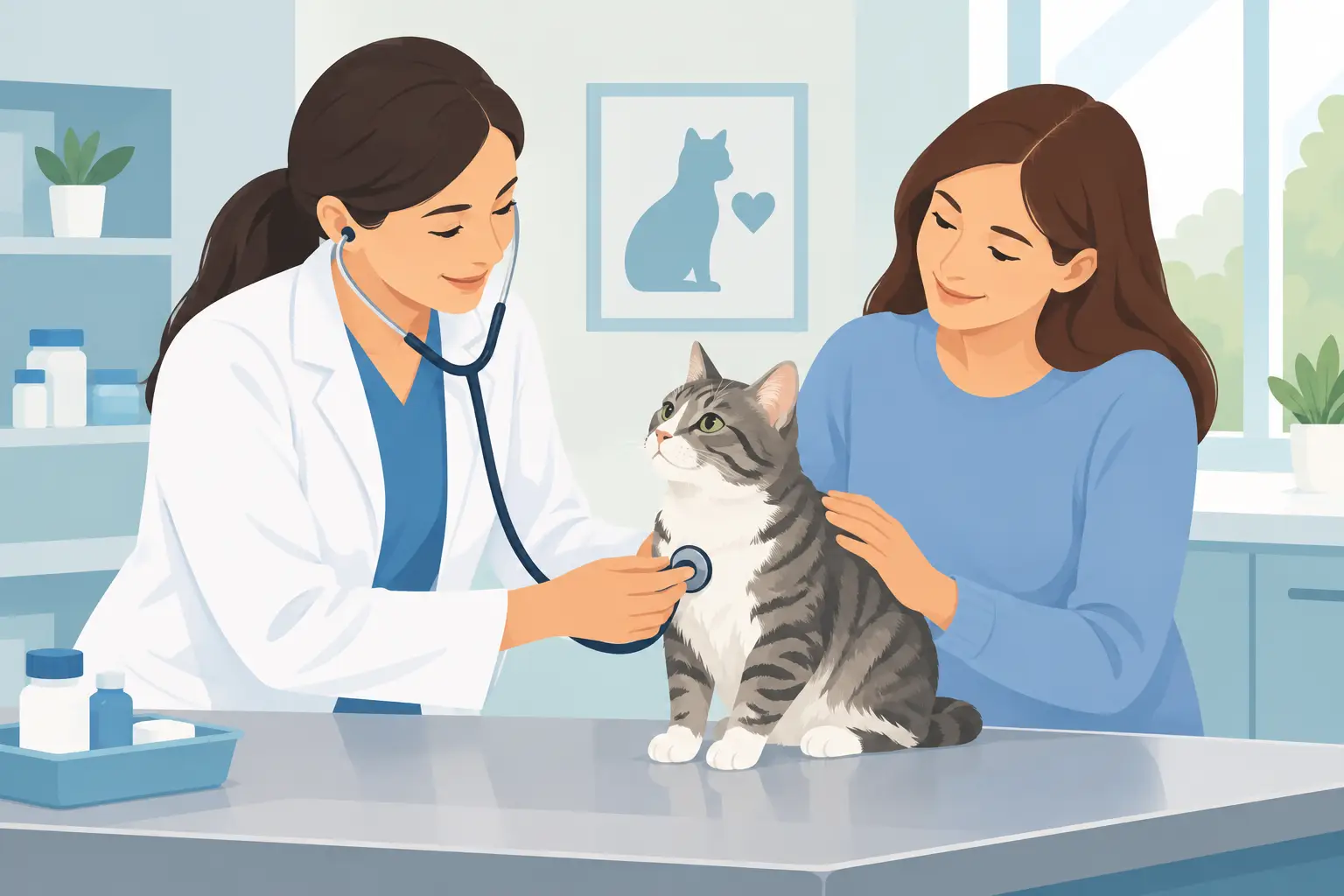
A cat who needs medicine should not have to lose the comfort of their own home while you are at work, away for the weekend or on holiday. This cat medication visit example shows what a calm, careful visit can look like, and the details that help an owner feel confident their cat is in safe hands.
Cats can be wonderfully independent, but medication changes the picture. A missed tablet, a poor appetite or a sudden change in behaviour may need attention, especially when a cat is recovering from illness or managing a long-term condition. The right care is not simply about putting food down and leaving. It is about following your vet’s instructions, observing your cat closely and keeping you properly updated.
What a cat medication visit is designed to cover
A medication visit is tailored around your cat’s normal routine and the treatment prescribed by their vet. It may be a single daily visit, two visits a day or a more individual arrangement where timing matters. Some cats take tablets hidden in a favourite treat, while others need liquid medicine given gently by syringe. The method should always be agreed in advance and should reflect what your cat accepts safely at home.
Alongside the medication, a carer will usually refresh water, serve the agreed food, clean litter trays and spend a little time checking how your cat seems. That check matters. Cats are skilled at hiding discomfort, so small details such as untouched food, fewer wees in the litter tray, hiding more than usual or reluctance to move can be useful information for an owner and, where appropriate, a vet.
A good visit also respects the cat in front of us. A confident, food-motivated cat may come straight over for attention. A nervous rescue cat may prefer the carer to sit quietly nearby and allow contact to happen on their terms. Reliable care is never one-size-fits-all.
A realistic cat medication visit example
Imagine that Mabel is a 12-year-old cat with an overactive thyroid. She has a tablet prescribed twice daily and is happiest staying in her own house when her family goes away for three nights. Her owners have shown the carer exactly how they give the tablet, where Mabel likes to eat and the places she is likely to hide.
At the morning visit, the carer arrives at the agreed time and enters quietly. Before approaching Mabel, they have a quick look around. Is she waiting in her usual spot? Has she used the litter tray? Is there any sick or food left from overnight? These first observations provide a useful picture before medication is given.
Mabel is greeted gently and offered a small portion of her usual food. Her tablet is then given in the way her owner and vet have approved, perhaps tucked into a pill treat if that is the established routine. The carer does not improvise with a different food or double up on a dose if there is any uncertainty. If Mabel refuses the medication, the carer records what happened, informs the owner promptly and follows the agreed plan. That may mean trying again later if it is safe to do so, or contacting the veterinary practice for guidance.
Once the medication has been given, fresh water is provided, breakfast is served and the litter tray is cleaned. The carer might spend a few minutes playing with Mabel’s favourite fishing-rod toy or simply sitting with her while she eats. They check that doors and windows are secure, especially if Mabel has access to a cat flap or an enclosed garden.
Before leaving, the carer sends an update. It could say: “Morning visit complete. Mabel had her tablet successfully in her pill treat, ate most of her breakfast and used the litter tray as normal. She came for a fuss, then settled on the windowsill. I have refreshed her water and will be back this evening.” A photo can be particularly reassuring, but the useful part is the clear record of medication, appetite, toileting and mood.
The evening visit follows the same calm process. Consistency is reassuring for cats and gives the owner a dependable record across the whole booking. If Mabel seems quieter than normal but is eating, drinking and taking her medicine, that may simply be noted and monitored. If she has not eaten, is repeatedly sick, seems distressed or cannot be medicated as prescribed, the response needs to be more urgent and follow the emergency instructions agreed with the owner.
What to prepare before a medication booking
The handover is where a safe visit begins. It helps to leave the medication in its original packaging with the vet’s label visible, rather than decanting it into an unmarked pot. The label should show the cat’s name, dose and instructions. Let the carer know where the medicine is kept and whether it needs refrigeration.
Written instructions are useful even if you have talked everything through in person. Include the dose, the times it is due, how your cat normally takes it and what to do if they spit it out or refuse it. If your cat has a very particular routine, demonstrate it during the meet and greet. A cat who will take a tablet only while sitting on a particular blanket, for example, is not being difficult – they are telling you what feels safe.
You should also provide your vet’s contact details, your cat’s medical history that is relevant to the booking, insurance information if applicable and an emergency contact who can make decisions if you cannot be reached. Be honest about bites, scratching, fear of strangers or any previous difficulty giving medication. This is not something to be embarrassed about. It allows the carer to plan carefully and protects everyone involved.
For cats receiving injections, eye drops or other more complex treatment, discuss the requirement openly before booking. Not every carer will be trained, insured or comfortable to provide every type of medication. It is better to establish what is possible before you travel than to assume a service covers treatment it cannot safely deliver.
The difference between a welfare check and medication care
A standard cat sitting visit can include feeding, water, litter tray cleaning and companionship. A medication booking adds another layer of responsibility: precise timing, clear records and an agreed response if something goes wrong. It may take longer than a routine pop-in, particularly for a nervous cat or a cat with a strict prescription schedule.
That can affect the cost and the type of visit recommended. If your cat requires medicine at a fixed time every day, choose care that can genuinely meet that schedule rather than a broad arrival window. If they need reassurance and monitoring after a recent operation, a longer visit may be more suitable than a quick feed-and-go arrangement.
At Scamps and Champs, the aim is to make these arrangements feel straightforward while taking the responsibility seriously. Local, vetted carers can provide familiar, in-home support, with booking details and updates that help you stay connected to your cat while you are away.
Questions worth asking your cat carer
Before confirming care, ask how medication is recorded, what happens if a dose cannot be given and how quickly you will be contacted about a concern. It is also sensible to ask whether the carer will meet your cat beforehand, whether they are insured for the service and how emergency vet visits are handled.
The answers should be clear, practical and free from promises that sound too good to be true. No responsible carer can guarantee that an anxious cat will accept medicine from a new person immediately. What they can offer is patience, preparation, honest communication and a sensible plan for escalation.
A medication visit works best when your cat has had the chance to meet their carer, their routine is written down clearly and everyone knows when to seek veterinary advice. That preparation means you can leave home knowing the person at your door is not just checking a task off a list – they are looking after a much-loved member of the family.