
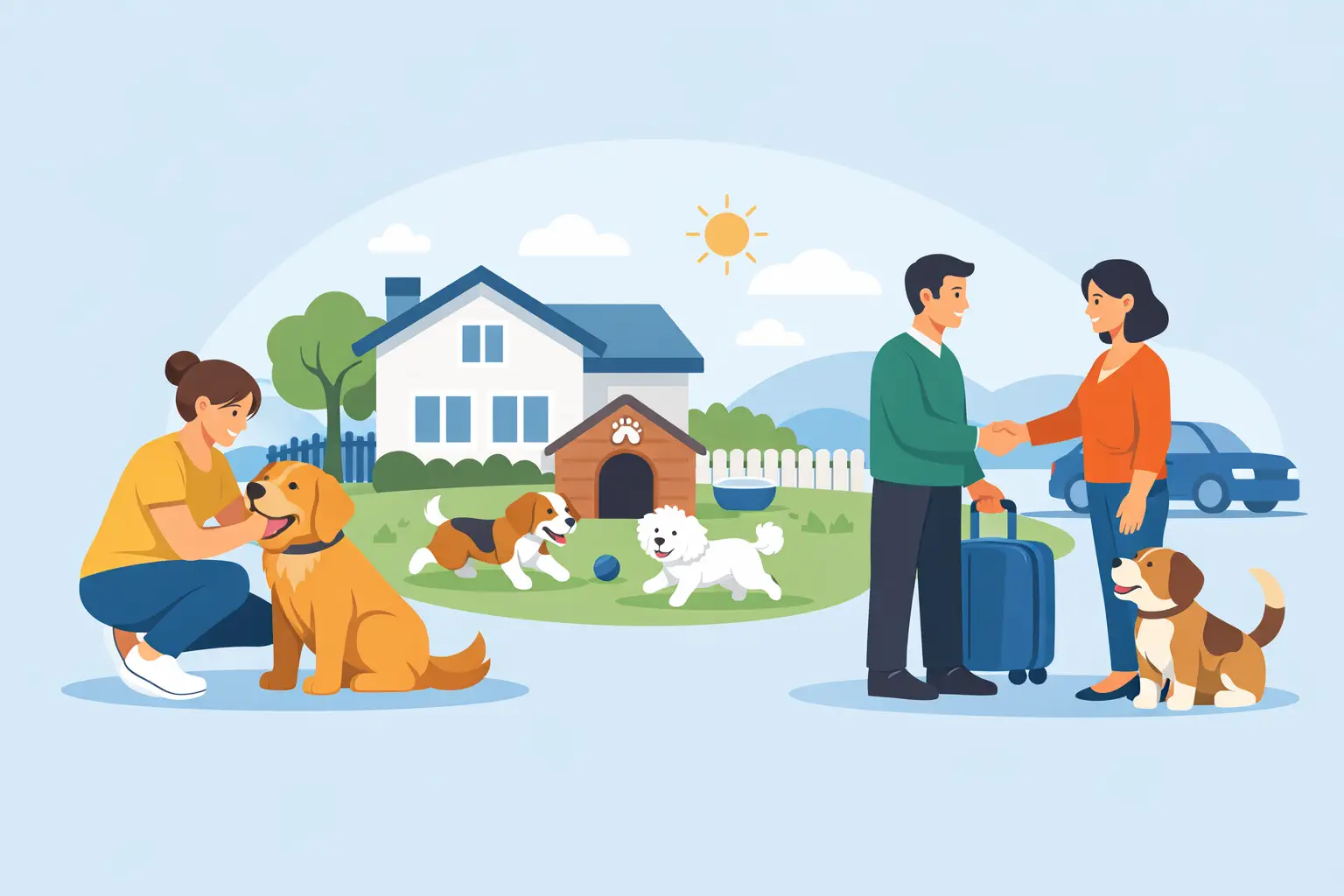
Leaving your dog while you are away can feel like handing over a member of the family. That is why understanding how dog home boarding works can make the decision far less daunting. Rather than staying in a traditional kennel, your dog stays in the home of a carefully chosen carer, with a routine built around their needs, personality and normal habits.
For many dogs, particularly those who enjoy company and home comforts, boarding in a family home can be a friendly alternative to kennels. It is not the right fit for every dog, however. A good service will take time to check that the home, carer and environment are suitable before confirming a stay.
How dog home boarding works from the first enquiry
Home boarding should begin well before the day you leave. Once you enquire, the care provider will ask about your dog’s age, breed, temperament, health, feeding routine, exercise needs and any behaviours that need extra understanding. This is not about judging your dog. It helps find a carer who can offer the right setting and level of care.
A lively young spaniel who loves long walks may suit an active household, while an older dog may need a quieter home with fewer stairs and plenty of time to rest. Some dogs are happiest as the only boarding guest, while sociable dogs may enjoy spending time with another friendly resident dog. The details matter.
The meet and greet
A meet and greet is one of the most valuable parts of the process. It gives your dog the chance to visit the carer’s home, meet the people who live there and become familiar with the space while you are present. You can also see where your dog will sleep, ask questions about daily routines and talk through anything that will help them settle.
This meeting should feel unhurried. Your carer may ask about commands your dog knows, whether they are comfortable around children or other dogs, how they respond to visitors, and what helps if they become worried. If either side feels the arrangement is not quite right, it is better to say so at this stage and look for a more suitable match.
What your dog’s stay usually looks like
On the day boarding begins, bring your dog’s food, any medication, lead or harness, and clear written instructions. Familiar items such as their bed, blanket or favourite toy can also be comforting, especially on a first stay. Keeping food and routines consistent helps avoid an upset tummy or unnecessary stress.
Your dog will usually be welcomed into the carer’s home and given time to settle at their own pace. Some dogs make themselves comfortable immediately. Others need a little space and reassurance before they are ready to explore. A thoughtful carer will not force interaction or overwhelm a nervous dog with too much excitement.
Daily care is shaped around the plan agreed with you. This normally includes meals, fresh water, toilet breaks, walks, play, rest and lots of company. The biggest difference from a kennel environment is that your dog is part of a home routine. They may relax in the lounge, enjoy a garden break or settle down near the family while everyday life carries on.
That does not mean every home boarding stay looks identical. A dog who needs two energetic walks each day will need something different from a senior dog who prefers gentle strolls and a warm spot to snooze. A reliable service plans for the individual dog rather than treating every booking the same.
Safety checks and professional standards
Home-based care should still be professional care. Before choosing a provider, ask how carers are selected, whether they are insured, and what safeguarding checks are in place. DBS-checked carers and suitable insurance offer valuable reassurance, while a proper booking process means there is a clear record of your dog’s needs and your contact details.
The carer’s home should be assessed for safety and suitability. Secure boundaries, sensible sleeping arrangements, safe storage for food and household items, and a calm approach to introductions all help protect the dogs in their care. If more than one dog is present, compatibility needs careful consideration rather than assumptions based on size or breed.
A good provider will also have clear plans for emergencies. This includes knowing your dog’s veterinary details, understanding medication instructions and being able to reach you or your emergency contact. Be honest about medical conditions, allergies, previous injuries and behavioural concerns. Sharing the full picture helps your carer make safe decisions and give your dog the care they deserve.
Updates while you are away
One of the hardest parts of a holiday or work trip is wondering how your dog is getting on. Regular updates can make a real difference. Depending on the service and arrangement, you may receive messages, photographs or short reports about walks, meals, naps and little moments from their day.
Updates are more than a nice extra. They reassure you that your dog has settled, is eating normally and is being cared for as agreed. They also help you relax enough to enjoy your time away.
It is worth agreeing expectations before you book. Some owners love a daily photo and message, while others prefer updates only if there is something they need to know. There is no wrong preference, but clear communication prevents uncertainty on both sides.
Is home boarding right for your dog?
Home boarding can work brilliantly for dogs who enjoy human company, prefer a quieter setting or find kennels stressful. It can be especially helpful for dogs used to living as part of a family, as they can keep many familiar comforts while receiving one-to-one attention.
There are trade-offs. Dogs that are highly anxious around unfamiliar people, reactive towards other dogs or protective of space may need a more specialist arrangement. Very young puppies, dogs with complex medical needs and dogs who cannot safely be left even briefly may also require care with additional training or a different service altogether.
The right provider will be open about this. Being told that a particular boarding home is not suitable is not a rejection of your dog. It is a sign that their wellbeing is being taken seriously.
Preparing your dog for a relaxed stay
A little preparation can help boarding feel much easier. Keep the goodbye calm and positive rather than long and emotional, as dogs often pick up on our nerves. Make sure your carer has enough of your dog’s usual food, clear feeding instructions and details of any treats they can or cannot have.
Write down your dog’s normal routine, including walk times, sleeping habits, favourite games and any words or cues they respond to. Mention the small things too: whether they dislike the rain, need a light on at night, or are unsettled by the sound of a hoover. These details allow a carer to make your dog feel known rather than simply accommodated.
If possible, arrange a short trial stay before a longer holiday booking. An overnight visit can show how your dog settles once you have left and gives the carer useful insight into their habits. It also gives you peace of mind before committing to a week or two away.
At Scamps and Champs, home boarding is approached with the same care you would want for a dog of our own: thoughtful matching, local trusted carers and clear communication throughout the stay. The goal is not simply to provide a place for your dog to sleep, but to give them a safe, happy home-from-home while you are away.
When you find a carer who understands your dog’s routine, listens to your concerns and welcomes every question, time apart can feel less like leaving them behind and more like arranging a stay with someone who genuinely cares.