
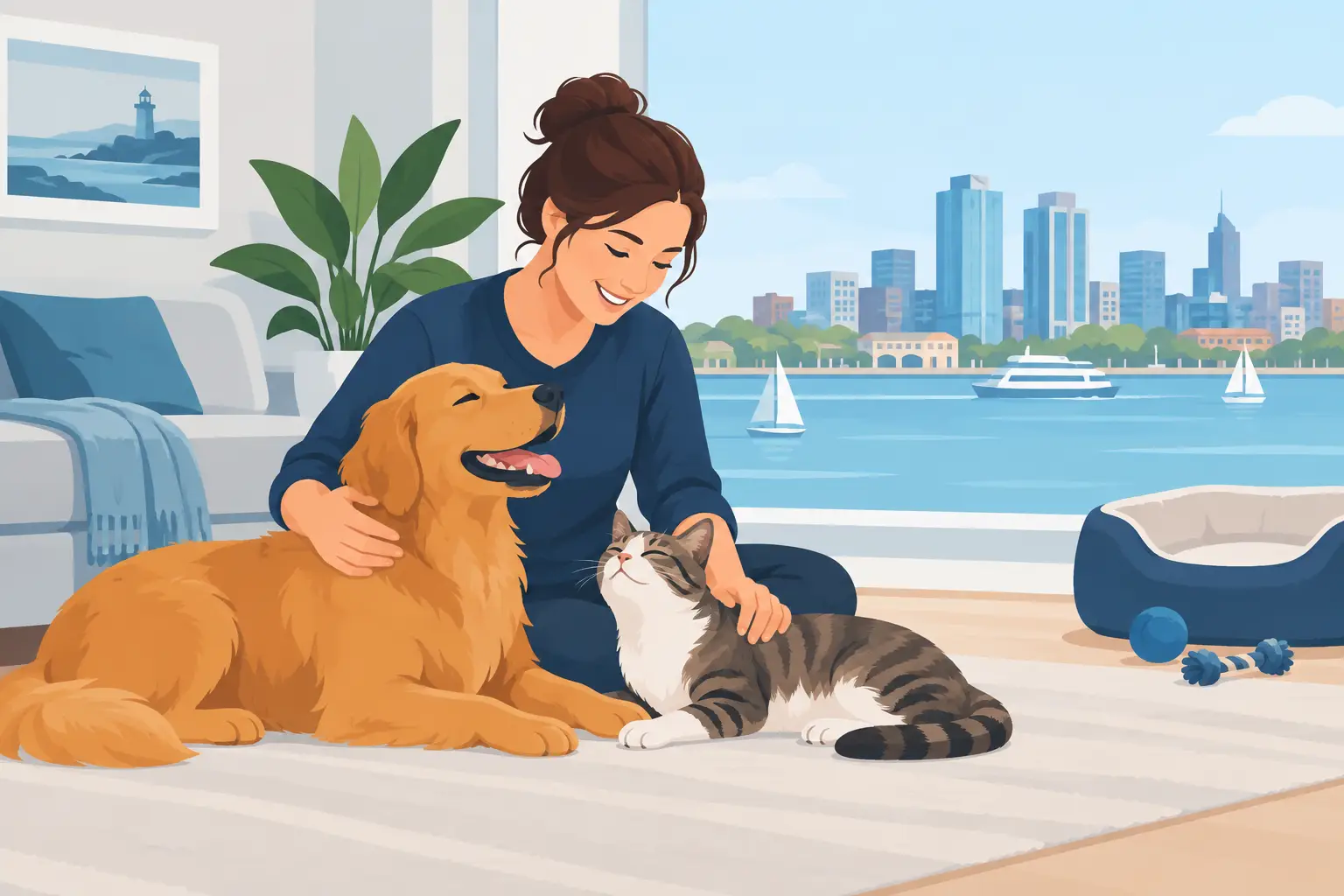
A holiday should not mean your dog has to cope with a noisy kennel, or your cat has to leave their favourite sunny windowsill. Halifax pet sitting offers a kinder, more familiar option: care built around your pet’s usual routine, in the place where they feel safest. Whether you are away for work, visiting family or planning a well-earned break, the right local carer can make the separation easier for everyone.
For many pets, the biggest comfort is not simply having somebody present. It is having meals at the usual time, familiar smells, a known walking route and calm company that understands their character. That is why personal, local pet care can be a welcome alternative to traditional boarding arrangements.
What Halifax pet sitting can look like
Pet sitting is not a one-size-fits-all service. A young, energetic dog may need structured walks, play and company during the day, while an older dog may be happiest with gentle toilet breaks, medication support and a quiet place to rest. Cats are often more settled staying in their own home, where their territory, feeding spot and litter tray remain unchanged.
A good Halifax pet sitting arrangement starts with your pet rather than a fixed package. It might involve daytime visits, longer companionship visits, overnight care or a combination of services. Smaller pets need thoughtful care too. Rabbits, guinea pigs and other household pets all have their own feeding, cleaning and handling needs, so do not assume that a quick drop-in is always enough.
The aim is simple: keep your pet safe, comfortable and cared for while making your own plans more manageable.
Why care at home suits many pets
Kennels and catteries work well for some animals, particularly sociable pets that are comfortable in new surroundings. But they can be a big adjustment for others. New sounds, unfamiliar animals and a different daily rhythm can be unsettling, especially for nervous, elderly or routine-loving pets.
Home pet sitting keeps much of your pet’s normal life in place. Your dog can sleep in their own bed, your cat can continue patrolling the house, and you do not need to pack up food, bedding, toys and medication before you leave. This continuity can be especially helpful for pets that dislike travelling or become anxious away from home.
There are practical advantages for owners as well. Regular visits can help make a property look lived-in while you are away, and a sitter can flag up anything that needs your attention. Most importantly, you can leave knowing that someone has been asked to focus on your pet’s wellbeing, rather than relying on a neighbour who may already have a full schedule.
Choosing a pet sitter you can trust
Inviting someone into your home and placing your pet in their care is a big decision. Friendly communication matters, but it should sit alongside clear professional standards. Look for a service that is fully insured, uses DBS-checked carers and takes time to understand the needs of each animal.
A proper meet and greet is worth its weight in gold. It lets your pet meet the person who will be caring for them, gives you a chance to talk through routines and allows the sitter to see the home set-up. You can explain where food is kept, how doors and gates are secured, which walks your dog enjoys and any habits that might otherwise be misunderstood. A dog that barks at the post or a cat that hides when visitors arrive is not being difficult – they are simply being themselves.
Ask how bookings are managed and what happens if plans change. Reliable systems make a real difference when you are trying to organise travel, work commitments or family life. Online booking, clear confirmation and a local point of contact can remove a lot of avoidable stress.
Questions worth asking before you book
You do not need to turn a meet and greet into an interview, but clear questions protect your pet and give you confidence. Ask whether the sitter is insured and DBS checked, how they handle emergencies, and whether they can support any medication or dietary requirements. Find out how long each visit lasts, whether your dog will be walked alone or with others, and how updates will be shared.
It is also sensible to discuss access arrangements, veterinary details and who should be contacted if you cannot be reached. If your pet has a history of anxiety, reactivity or escape behaviour, say so openly. A good carer will appreciate the information and use it to plan safely, not judge you or your pet.
Build the care plan around your pet
The best pet sitting plans are detailed without being complicated. Start with the everyday essentials: feeding times and portions, water, toilet breaks, walking routine, medication and bedtime habits. Then add the little things that make your pet feel at ease, such as a favourite toy, preferred scratching post or the cue you use before a walk.
For dogs, it helps to be honest about lead manners, recall, encounters with other dogs and anything that causes worry. Some dogs enjoy a busy walk and playtime; others are far happier on a quiet route at a slower pace. Group walks can be lovely for a confident social dog, while solo walks may be the safer choice for a dog who needs more space. It depends on the individual, not the trend.
For cats, consistency is often the priority. Explain their usual meal schedule, whether they go outdoors, where they prefer to hide and how they like to be approached. A cat sitter should never force interaction with a shy cat. Calm, dependable visits, fresh food and water, litter tray care and patient observation are often exactly what they need.
If you have more than one pet, consider how their needs fit together. Siblings may happily eat and rest together, while others need separate feeding areas or individual attention. The more accurate the information you share, the easier it is for a carer to provide thoughtful care.
Updates are more than a nice extra
Being away from a pet can make even sensible owners worry. A short update after a visit, along with a photo when appropriate, can be hugely reassuring. You want to know that your dog has enjoyed their walk, your cat has eaten normally and your pet is relaxed at home.
Updates also create useful accountability. They show that visits have taken place and give you a chance to spot a change in appetite, energy or behaviour early. GPS tracking for dog walks can add further reassurance for owners who want to see where their dog has been exercised.
That said, the quality of care should never be measured only by the number of photos. A sitter who notices that an older dog is stiff, a cat has not touched their food or a rabbit is quieter than usual is providing the attentive care that matters most. Clear communication should be warm, honest and practical.
Preparing your home for a sitter
Before you leave, make the basics easy to find. Put food, treats, leads, cleaning supplies and medication in clearly labelled places. Leave enough supplies for your time away, plus a little extra in case of delays. Written notes are useful even if you have talked through everything in person, particularly when several routines need remembering.
Make sure your vet’s contact details are available, along with an emergency contact who can make decisions if you are unreachable. Check that collars and harnesses fit properly, gates latch securely and any hazards are put away. If your pet has access to a garden, explain exactly where they are allowed and how you would like doors and keys handled.
A familiar item can also help. Keep your dog’s usual blanket in their bed, leave your cat’s favourite toy out and avoid changing food immediately before a trip. The goal is not to create a perfect holiday programme for your pet. It is to keep life feeling reassuringly normal.
Local care, with proper peace of mind
Local knowledge matters. A carer who works in and around Halifax understands that practical details can change from one neighbourhood to the next – from parking and key collection to the best quieter places for a sensitive dog to walk. Just as importantly, local pet care feels personal. You are not handing your pet over to an anonymous booking; you are building a relationship with someone who takes their role seriously.
At Scamps and Champs, that combination of genuine affection and professional reassurance sits at the heart of the service. Pets are family, and their care should reflect that. Fully insured, DBS-checked carers, dependable booking processes and regular communication all help owners feel comfortable from the first enquiry onwards.
If you are considering pet sitting for the first time, arrange a meet and greet before the date you need. Watching your pet take a treat, settle beside a new carer or head out happily for a short walk can tell you far more than a booking form ever could.